Structural Drying & Dehumidification in Inglewood, CA
Drying is more than fans. The restoration technicians run air movers and LGR dehumidifiers to pull moisture from walls and slabs to a verified standard across Inglewood, so mold never starts.
(310) 742-9441Tap the 24/7 Inglewood dispatch line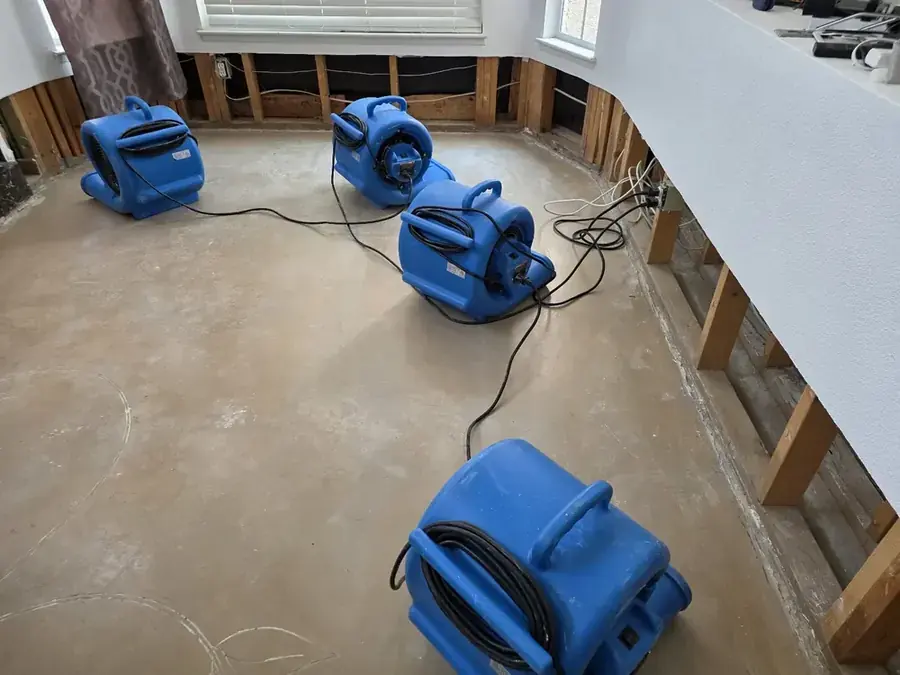
Why Inglewood trusts the pros with structural drying & dehumidification
Rapid local response
The response team answers 24/7, and the nearest crew heads out the moment the call comes in, day or night, across Inglewood and the South Bay.
IICRC S500 drying standard
Trained crews dry to a verified standard with meters and thermal imaging, not a mop and a fan.
Claim-ready documentation
The loss is documented with photos and daily moisture readings, the paperwork an adjuster needs to move a claim.
Inglewood water experts
Older copper, flat roofs, storm-drain flooding, and slab leaks, so the local pros know how water moves in a coastal-basin home.
What to do for structural drying & dehumidification in Inglewood
Keep the air moving safely
Leave any professional equipment running and do not unplug air movers or dehumidifiers between visits. Do not rely on open windows in the marine layer.
Do not rebuild yet
Hold off on new drywall, flooring, or paint until the structure reads dry. Sealing in moisture is how a small leak turns into a mold job.
Call for a moisture check
Phone the 24/7 line. A restoration team maps the moisture, sets the right drying plan, and monitors it to a verified reading.
What does structural drying & dehumidification cost in Inglewood, CA?
In Inglewood, CA, structural drying and dehumidification typically runs $1,000 to $6,500, set by how many rooms are wet, how saturated the slab and cavities are, and how many days of equipment and monitoring it takes.
Minor, contained
- One area, caught early
- Extraction and drying
- Clean, Category 1 water
Typical structural drying & dehumidification
- Several rooms or hidden spread
- Extraction, drying, and minor rebuild
- Documented for your carrier
Extensive
- Heavy saturation or contamination
- Full mitigation and rebuild
- Category 2 or 3 water
Want a number for your home? Try the Water Damage Cost Calculator, then call for an exact, on-site scope.
How structural drying & dehumidification is handled in Inglewood
Call and dispatch
The response team answers 24/7, and the nearest Inglewood crew heads out with pumps, air movers, and moisture meters.
On-site assessment
The crew finds the source and the full reach of the water, including what soaked into slab, subfloor, and wall cavities.
Extract and dry
The extraction crew pulls the standing water, then runs air movers and dehumidifiers to a verified dry standard, not just the surface.
Verify and document
Moisture readings are logged until the structure is dry, then the loss is documented with the photos and daily readings an adjuster needs to move a claim.
Extraction pulls the standing water, but the water left inside drywall, framing, slabs, and cabinets is what causes the real long-term damage. Structural drying is the science of removing that hidden moisture, and in Inglewood's humid coastal air it takes commercial equipment, not open windows and box fans. The restoration technicians set air movers and low-grain refrigerant dehumidifiers, then monitor the structure with meters until it reads dry.
Why drying needs more than fans
The coastal basin works against a quick dry-out:
- Marine-layer humidity keeps the air moist, so surface water re-condenses
- Moisture hides in wall cavities, under cabinets, and deep in a slab
- Household fans move air but do not lower the humidity that drives drying
- A damp cavity left closed up can grow mold within a day or two
Proper drying is the finish of every water job, from a burst pipe to a slab leak, and it is what lets a home be rebuilt on a documented dry reading.
How the dry-out works in an Inglewood home
Prairie Ave DrySure dries to a standard, not a guess:
- Map the moisture with meters and thermal imaging to find every wet area
- Set the right number of air movers to move water out of the materials
- Run low-grain refrigerant dehumidifiers to pull that moisture from the air
- Open wall bases and cabinet toe-kicks so trapped cavities can dry
- Take daily readings and adjust equipment until the structure hits target
Because crews monitor rather than assume, they pull the equipment only when the readings prove the home is dry.
Home still damp after a leak, or worried it was not dried right? Call for a moisture check and a proper dry-out, day or night.
Call (310) 742-9441Why a verified dry standard matters
A home that looks dry can still hold enough moisture to rot framing and grow mold, so the restoration team documents the readings.
- Meter readings prove the structure is dry, not just the surface
- A documented dry-out supports your insurance claim and any rebuild
- Catching hidden moisture now avoids a mold problem in the coastal damp
The EPA's mold cleanup guidance stresses drying wet materials within 24 to 48 hours, and the process follows the drying standards published by the IICRC.
Do not close the walls too soon
Rebuilding over a wall cavity that is still damp traps moisture and invites mold. Insist on a documented dry reading before any drywall or flooring goes back, which is exactly how the team hands off a finished dry-out.
From central Inglewood across the whole city
Inglewood water damage pros respond across every Inglewood ZIP, day or night.
Inglewood water damage pros cover the whole city, day or night, with rapid local response from Downtown to the neighboring South Bay.
Coverage runs across Inglewood, Lennox, Hawthorne, Lawndale, Westchester, Ladera Heights, and the surrounding South Bay.
See every neighborhood and ZIP covered ›Related restoration services
Structural Drying & Dehumidification questions, answered
Water in your property right now?
Do not wait for the FAQ. An Inglewood restoration team is standing by 24/7.
(310) 742-9441 Call nowHow long does structural drying take in Inglewood?
Most homes dry in 3 to 5 days, longer for a saturated slab, plaster, or hardwood. Coastal humidity slows evaporation, so crews run commercial dehumidifiers and take daily readings rather than trusting fans and open windows.
Why can I not just use my own fans?
Household fans move surface air but do not remove the moisture trapped in a slab, plaster, or wall cavity, and in the marine layer that moisture just re-condenses. Commercial air movers paired with dehumidifiers actually lower the humidity that drives drying.
How do you know when the home is dry?
Crews take daily moisture readings with meters and thermal imaging and pull the equipment only once the readings confirm the structure has reached a safe, dry target. That documented reading is what a rebuild and an insurer rely on.
Will drying stop mold from growing?
Fast, complete drying is the single best defense against mold, because mold needs moisture to start. Drying wet materials within a day or two and monitoring to a dry standard is how crews keep a water loss from becoming a mold problem.
Is structural drying covered by insurance?
Yes, drying is a standard part of a covered water loss on a California homeowners policy. The restoration team documents the moisture readings and the drying for your carrier for the covered work.
Do I need drying if the floor already feels dry?
Often yes. A surface that feels dry can still hide moisture in the subfloor, wall cavities, and slab. The crew maps it with meters and dries what you cannot feel, which is where the lasting damage hides.
An Inglewood restoration team is standing by
Water sitting means damage spreading. Call Prairie Ave DrySure and a local crew heads out across Inglewood and the South Bay, day or night.
(310) 742-9441Call now, day or night